Areas covered
What to Expect on Your First Driving Lesson
Starting your first driving lesson is a big milestone. It’s completely normal to feel nervous, excited, or unsure about what will happen. At Learn2DriveASAP, we make sure your first lesson is calm, supportive, and confidence-building.
This guide explains exactly what to expect on your first driving lesson, so you can arrive feeling prepared and relaxed.
⸻
A Friendly Introduction With Your Instructor
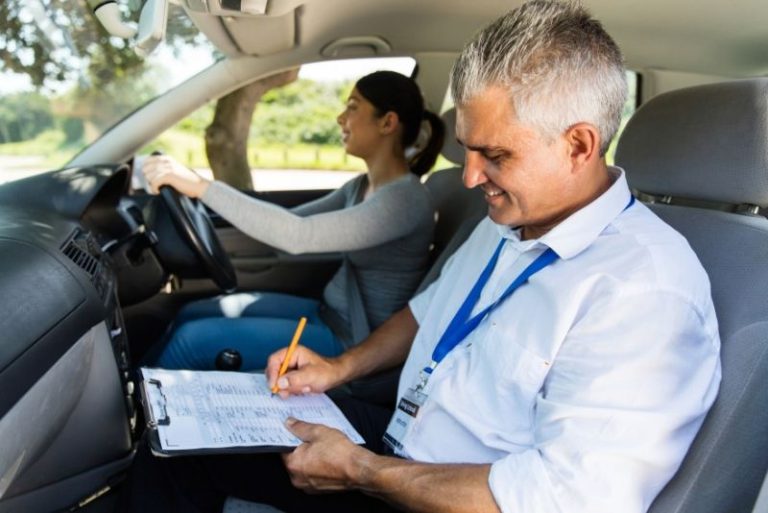
Your first driving lesson always starts with a friendly chat. Your instructor will:
• Introduce themselves
• Explain how the lesson will run
• Ask about any previous driving experience
• Answer any questions you have
There’s no pressure — your instructor’s job is to help you feel comfortable from the start.
⸻
Licence Check and Learning Goals
Before driving, your instructor will check your provisional driving licence and ask about your goals, such as:
• Have you had any lessons before
• Confidence level
• Test timeframes
This helps create a learning plan tailored specifically to you.
⸻
Getting to Know the Car
Next, you’ll be introduced to the car. This includes:
• Adjusting your seat and mirrors
• Understanding the pedals
• Learning basic dashboard controls
• Explaining safety features
If you’re learning manual, the clutch will be explained clearly and at your pace.
⸻
The Cockpit Drill (Safety First)
You’ll learn the cockpit drill, which covers:
• Seat position
• Steering
• Seatbelt
• Mirrors
This is a key part of learning to drive safely and will be used throughout your lessons and driving test.
⸻
Moving Off and Stopping (Only When You’re Ready)
Most first driving lessons take place on quiet residential roads. When you feel comfortable, you may practise:
• Moving off safely
• Stopping smoothly
• Basic steering control
Your instructor has dual controls and is always in control if needed — so you’re never at risk.
⸻
No Pressure, No Judgement
You are not expected to be perfect on your first driving lesson.
Everyone learns at a different pace. Making mistakes is part of learning, and your instructor is there to guide and support you — not judge you.
⸻
Feedback and Next Steps
At the end of your lesson, your instructor will:
• Give clear, positive feedback
• Reassure you about your progress
• Explain what you’ll cover next time
This helps build confidence and gives you a clear path forward.
⸻
What You Don’t Need to Worry About
• You won’t be taken on busy roads straight away
• You won’t be shouted at
• You won’t be expected to already know how to drive
Your first lesson is about confidence, not pressure.
⸻
Final Thoughts
Your first driving lesson is the beginning of your journey towards independence. With the right instructor and a supportive environment, learning to drive can be a positive and empowering experience.
If you’re ready to get started, Learn2DriveASAP is here to help you every step of the way.


1st driving lesson
1st driving lesson you will go over the controls, the controls are the essential elements of the vehicle that you need to understand and operate to drive safely and effectively. Here’s a breakdown of the key controls typically covered in a driving lesson:
1. Steering Wheel
- Function: Used to control the direction of the car.
- Operation: Turn the wheel in the direction you want to go. Most steering wheels have power steering, making them easier to turn.
2. Pedals
- Accelerator (Gas Pedal): Located on the right, this pedal controls the speed of the vehicle. Press it gently to accelerate.
- Brake Pedal: Located to the left of the accelerator, it slows down or stops the vehicle. Apply steady pressure for smooth braking.
- Clutch Pedal (Manual Cars Only): Located on the far left, it is used to change gears. Press it down fully before shifting gears.
3. Gear Stick
- Function: Used to change gears in the car.
- Automatic Transmission: Typically has positions like P (Park), R (Reverse), N (Neutral), D (Drive), and sometimes L (Low gear).
- Manual Transmission: Requires shifting between gears (1st, 2nd, 3rd, etc.) using the gear stick and clutch pedal.
4. Handbrake (Parking Brake)
- Function: Keeps the car stationary when parked.
- Operation: Typically a lever between the front seats. Lift it to engage and press the button to release.
5. Indicators (Turn Signals)
- Function: Used to signal your intention to turn left or right.
- Operation: Move the indicator stalk (usually located on the left side of the steering wheel) up for a right turn and down for a left turn.
6. Lights
- Headlights: Essential for driving in low visibility conditions (night, fog, etc.). They have settings for low beam and high beam.
- Fog Lights: Used in very poor visibility conditions.
- Dashboard Switches: Usually located on a stalk near the steering wheel or on the dashboard.
7. Windshield Wipers
- Function: Keep the windshield clear of rain, snow, or dirt.
- Operation: Controlled by a stalk near the steering wheel, allowing for different speeds and sometimes an intermittent setting.
8. Horn
- Function: Used to alert other drivers or pedestrians of your presence.
- Operation: Usually located in the center of the steering wheel.
9. Mirrors
- Rearview Mirror: Provides a view of the road behind you.
- Side Mirrors: Give a view of the sides and rear of the vehicle. Adjust them before starting to drive.
10. Dashboard Controls
- Speedometer: Shows your current speed.
- Fuel Gauge: Indicates the amount of fuel left in the tank.
- Temperature Gauge: Monitors the engine’s temperature to prevent overheating.
11. Seat Adjustments
- Function: To ensure you are seated comfortably and can reach all controls effectively.
- Operation: Adjust the seat position, height, and backrest angle before starting to drive.
12. Ignition
- Function: Starts the vehicle.
- Operation: Insert the key and turn it (or press the start button in keyless systems) to start the engine.
13. Cruise Control (if available)
- Function: Maintains a constant speed without using the accelerator.
- Operation: Activated by buttons on the steering wheel or a stalk, allowing for adjustments to speed.
During a driving lesson, the instructor will guide you through these controls, ensuring you understand their functions and how to operate them safely. You’ll practice using them in various driving situations to build confidence and skill.
Moving off and stopping are fundamental skills covered early in driving lessons. Here’s a detailed breakdown of what typically happens in a driving lesson focused on these skills:
Moving Off
- Preparation:
- Vehicle Checks: Ensure comfortable seating, adjust mirrors, and fasten your seatbelt.
- Clutch Control: For manual cars, press the clutch pedal down fully.
- Select Gear: Engage first gear.
- Starting the Engine: Turn the ignition key or press the start button.
- Observation:
- Mirrors: Check interior and exterior mirrors for traffic.
- Blind Spots: Look over your shoulder to check blind spots.
- Signal: Indicate your intention to move off if necessary (signal left/right depending on your situation).
- Action:
- Release Handbrake: Gradually release the parking brake.
- Clutch and Gas: Slowly lift the clutch pedal to the bite point while gently pressing the accelerator.
- Move Off: As the car starts moving, fully release the clutch and maintain a steady speed with the accelerator.
Stopping
- Preparation:
- Choosing a Safe Spot: Identify a safe and legal place to stop.
- Signal: Use your indicators to signal your intention to stop if necessary.
- Observation:
- Mirrors: Check your mirrors to ensure it’s safe to stop (you might also need to check blind spots).
- Action:
- Brake Gently: Gradually press the brake pedal.
- Clutch: In a manual car, press the clutch fully down as you come to a stop to avoid stalling (this is usually done when the speed drops under 10-15 km/h).
- Neutral Gear: After stopping, put the gear in neutral.
- Handbrake: Engage the parking brake to secure the vehicle.
- Switch Off Indicators: If you signaled, turn off the signals.
- Observation:
- Surroundings: Keep an eye on your surroundings and make sure it’s safe as passengers may want to exit and enter the vehicle.
Tips for Success
- Practice Clutch Control: Especially in manual transmissions, getting the feel for the clutch bite point is crucial.
- Smooth Movements: Be gentle with the car’s controls to ensure smooth movement. Jerky starts or stops can be unsettling.
- Constant Observations: Always stay alert to your surroundings using mirrors and quick glances over your shoulder (checking blind spots).
Additional Considerations for Automatic Transmission
- Move-Off:
- Switch to ‘D’ (Drive) mode.
- Release the handbrake.
- Press the gas pedal gently to move off.
- Stop:
- Use the brake to bring the vehicle to a stop.
- Keep the car in ‘D’ if you are stopping temporarily (e.g., traffic light), or switch to ‘P’ (Park) if stopping permanently.
By practicing these steps, often with a professional instructor initially, learners can build confidence and competence in controlling the car during these basic but essential maneuvers.
About Driving Lessons
Driving Lessons in the Uxbridge and Hillingdon Area: Your Guide to Getting on the Road
Learning to drive is an exciting milestone, and whether you’re looking to gain confidence behind the wheel or pass your driving test, finding the right driving lessons in Uxbridge is essential. If you’re based in Uxbridge or Hillingdon, you’re in a prime location for excellent driving schools Learn2driveASAP.co.uk we have the best driving instructors near you. Here’s everything you need to know about learning to drive in this area, including tips on choosing the best lessons for your needs.
Why learn 2 drive Uxbridge and Hillingdon?
Situated in West London, Uxbridge and Hillingdon offer a great variety of driving environments. With a mix of busy town centres, quiet residential streets, and nearby motorways like the M25 and M40, you’ll be exposed to various road types that will help you develop all-round driving skills.
• Diverse Roads: From navigating the bustling streets of Uxbridge town centre to practicing on quieter suburban roads, you’ll experience different driving conditions that will prepare you for real-world driving.• Access to Test Centres: Uxbridge and Hillingdon are well-served by nearby driving test centres such as the Uxbridge Driving Test Centre, making it convenient for learners to practice and take their driving test locally.• Local Knowledge: Our Driving Instructors are familiar with the area can teach you key routes and challenging spots that are often used in driving tests.
Choosing Between Manual and Automatic Driving Lessons Uxbridge & Hillingdon
One of the first decisions you’ll need to make is whether to learn in a manual or automatic car. Both have their advantages, and the choice will depend on your preference and long-term driving goals.
• Manual Lessons: Learning to drive a manual car can be more challenging due to the added skill of gear shifting. However, passing your test in a manual car gives you more flexibility, as you’ll be able to drive both manual and automatic vehicles.• Automatic Lessons: Automatic cars are simpler to drive, as you don’t need to worry about changing gears. They can be a great option if you’re looking for a quicker learning process or if you’re less confident about handling a manual gearbox.
What to Look for in a Driving Instructor
Choosing the right driving instructor is key to building your confidence and skill as a driver. Here are a few things to keep in mind when searching for driving lessons in Uxbridge and Hillingdon:
• Experience and Qualifications: Our driving instructors are fully qualified and have experience teaching in the area. They will know the local test routes and tricky road situations that can arise.• Flexible Scheduling: Whether you’re a student, working professional, or have other commitments, our driving instructors can accommodate your schedule, offering lessons on weekends or evenings if needed.• Tailored Lessons: A good driving instructor will adapt lessons to your progress and comfort level, ensuring that you learn at your own pace while covering all the necessary skills and knowledge to pass your test.
Benefits of Learning to Drive in Uxbridge and Hillingdon
• Access to Local Test Routes: Driving schools in the area will often focus on test routes used by local examiners. This will give you the advantage of familiarity when your test day arrives.• Quiet Residential Areas for Beginners: If you’re new to driving, the quieter streets in Hillingdon and nearby suburban areas provide a low-pressure environment to start practicing.• Convenient Access to Motorways: Once you’re comfortable with the basics, practicing on nearby motorways like the M25 and M40 will help you develop higher-speed driving skills.
Tips for Success in Your Driving Test
1. Practice Regularly: Make sure to get enough practice, including private practice if possible, to reinforce what you’ve learned during lessons.2. Familiarize Yourself with the Test Centre: Knowing the layout of your local test centre and nearby routes will help you feel more comfortable on test day.3. Stay Calm Under Pressure: Nerves are normal, but staying calm and focused will help you make better decisions during your test.4. Take Mock Tests: Your instructor can guide you through mock tests to simulate the real experience, giving you a feel for what to expect and how to handle test conditions.
Final Thoughts
Whether you’re looking to drive a manual or automatic driving lessons, Uxbridge and Hillingdon offer a range of learning environments that will prepare you for the open road. With experienced driving instructors, varied driving conditions, and access to local test centres, this area is ideal for learner drivers. Remember to take your time, choose the right driving instructor for your needs, and enjoy the process of becoming a confident and capable driver.
If you’re in the Uxbridge and Hillingdon area and looking for “driving lessons near me”, consider local Learn2Driveasap.co.uk who can tailor their teaching to your needs, whether you’re just starting out or preparing for your test.
contact us today on 07388-017703 and start your journey!
Call now to book driving lessons
 Learn2DriveASAP